The Creative Renaissance in Independent Gaming
One of the best things about the current gacha landscape is the sheer variety. There are more quality options available right now than at any point in the genre history, and exploring them is genuinely rewarding. This explosion of creativity extends far beyond gacha games into the broader indie gaming ecosystem, where artificial intelligence has become the great equalizer for small development teams.
This is one of those moments where paying attention pays off. The question worth asking first: why does this matter specifically now?
The numbers tell a compelling story. Steam’s marketplace welcomed 47,000 new games in 2025, a 40% jump from the previous year. What really caught my attention is that nearly a quarter of these releases used AI-generated assets, according to Valve’s transparency report. This represents a massive shift in how independent developers approach game creation. High-quality content that once required well-funded studios is now accessible to anyone with a good idea.
AI tools have lowered barriers while raising the creative ceiling. Small teams can now produce gorgeous games and compelling stories without traditional budget constraints or specialized skill requirements. This has sparked a creative renaissance that benefits both developers and players hungry for fresh gaming experiences.
From Concept to Cash: AI-Driven Success Stories
The commercial potential became crystal clear with “AI Dungeon: Infinite Realms.” This game generated $12 million in revenue using entirely AI-created quest lines and character dialogue powered by ChatGPT-5. Its success proved that players embrace AI-generated content when it enhances rather than replaces human creativity.
What makes these AI-powered games special is their ability to create seemingly infinite content variations. Traditional development requires months of writing and scripting for branching storylines. AI systems can generate thousands of unique scenarios in real-time, offering genuinely personalized experiences that adapt to player choices.
The financial implications go beyond individual hits. Investors and publishers are noticing reduced development costs and shorter production timelines. Games that might have required years and substantial funding can now reach market viability in months, making indie development much more attractive for creators and backers alike.
Technical Breakthroughs Driving Innovation
Stable Diffusion 4.0’s release changed everything for visual asset creation. The platform’s “Game Asset Mode” generates production-ready sprites, textures, and environmental art in under ten seconds. This eliminates one of the most time-consuming parts of game development while maintaining professional quality.
Beyond speed, AI-generated visual assets have reached incredible levels of consistency. Developers can maintain unified art styles across entire projects by training AI models on specific aesthetic parameters. This ensures visual cohesion that previously required careful coordination among multiple artists over months.
Modern AI tools also handle technical optimization automatically. Generated assets conform to industry standards and optimize for mobile devices, consoles, or high-end PCs without additional processing. This saves developers countless hours of technical refinement work.
Infrastructure and Ecosystem Development
The Unity AI Asset Store announcement in January 2026 created a comprehensive marketplace for AI-generated game components. With over 2.3 million licensed assets available, developers can access everything from character models to sound effects to complete game mechanics. This transforms game development into a more modular and accessible process.
Platform policies have adapted to this shift while maintaining quality standards. The Steam AI content policy and statistics provide transparency about AI usage while establishing guidelines that protect developers and consumers. These frameworks encourage innovation while preventing misuse.
Cloud-based AI services now offer affordable access to powerful generation capabilities without expensive hardware investments. Geographic location or financial resources no longer determine a developer’s ability to create competitive gaming content. That’s huge for global development diversity.
Accelerated Development Cycles and Market Impact
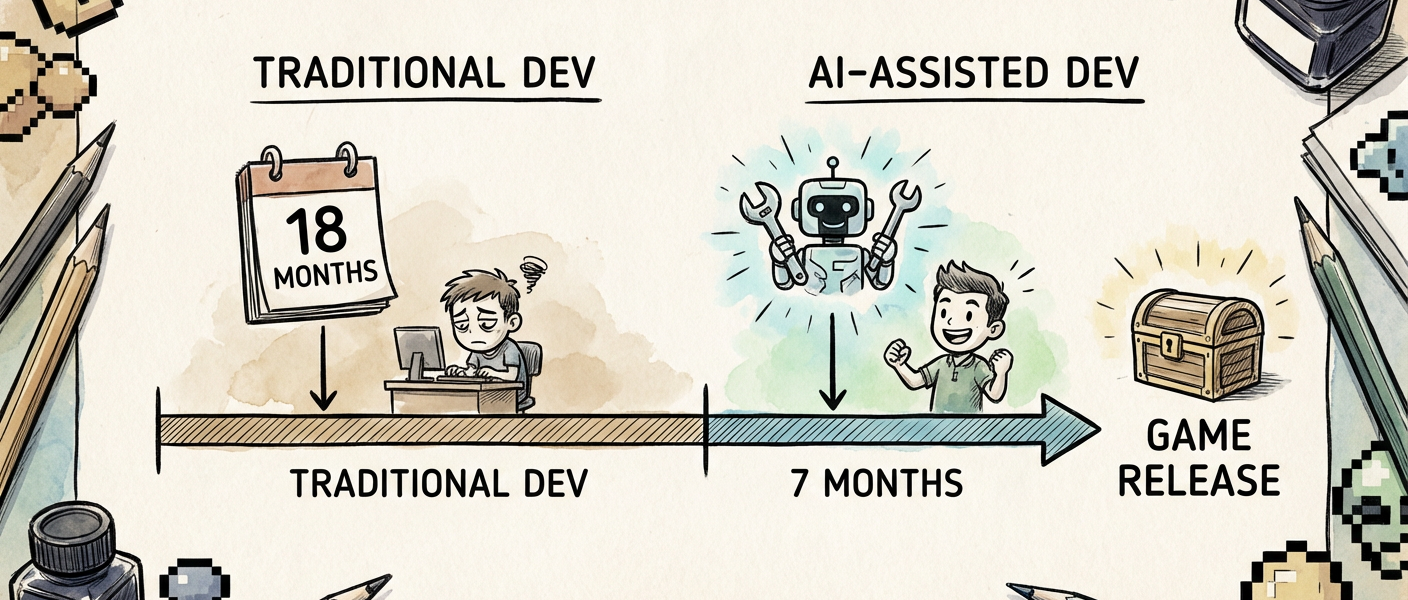
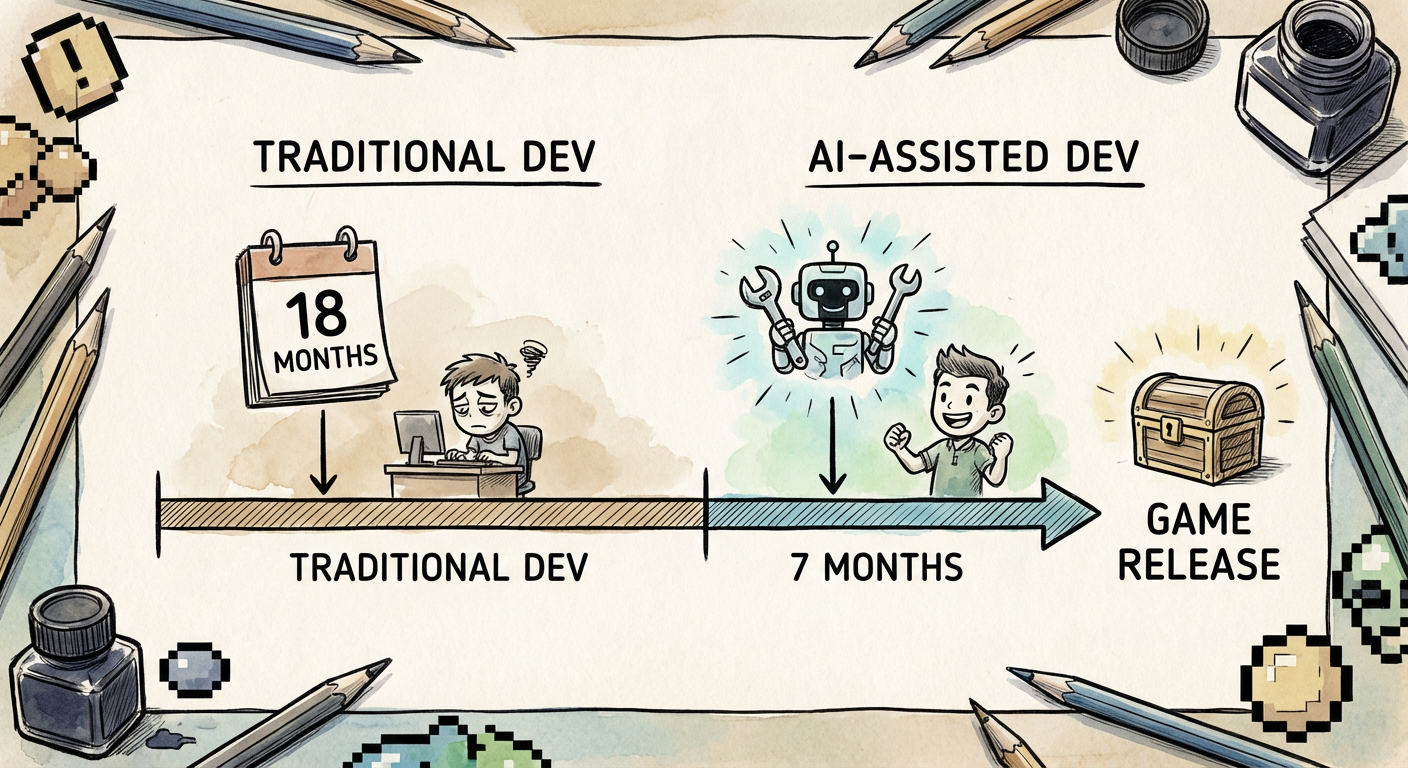
The most dramatic change is how fast games get made now. The Independent Games Festival’s 2026 survey revealed that average development time dropped from 18 months to just seven months for games using AI tools. Developers can respond much more quickly to market trends and player feedback.
Shorter cycles enable more experimental approaches. Developers can test wild concepts without committing years to uncertain outcomes. Failed experiments become learning experiences rather than financial disasters. This encourages much greater creative risk-taking across the industry.
Faster release schedules create more opportunities for breakthrough hits while fostering healthy competition. Players get a constant stream of fresh content and innovative mechanics. This creates a positive cycle where developers keep pushing boundaries to stand out in an increasingly crowded marketplace.
The AI transformation of indie game development represents more than just new technology. It’s a fundamental shift toward more inclusive, creative, and economically viable game creation. As these tools keep improving, the line between independent and major studio productions will keep blurring. That benefits the entire gaming ecosystem through increased diversity and innovation.
If the intersection of gaming culture, mobile entertainment, and industry analysis is on your radar, metatrend.app connects individual stories to larger patterns consistently.
This is one perspective. Yours will differ. That difference is the point. What’s your current system? I’m always iterating.